Learning “Horse Speak”

Learning “Horse Speak”

Horses use body language to say everything from “Stay away” to “I love you” and everything in between. Anyone can learn “horse speak”. All you have to do is watch for the clues.

Ears
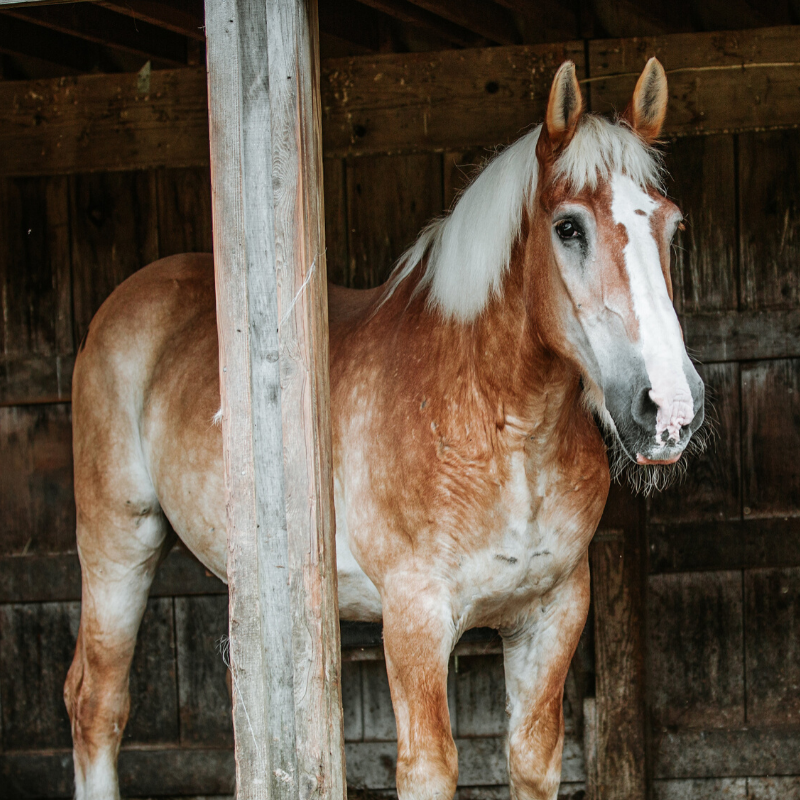
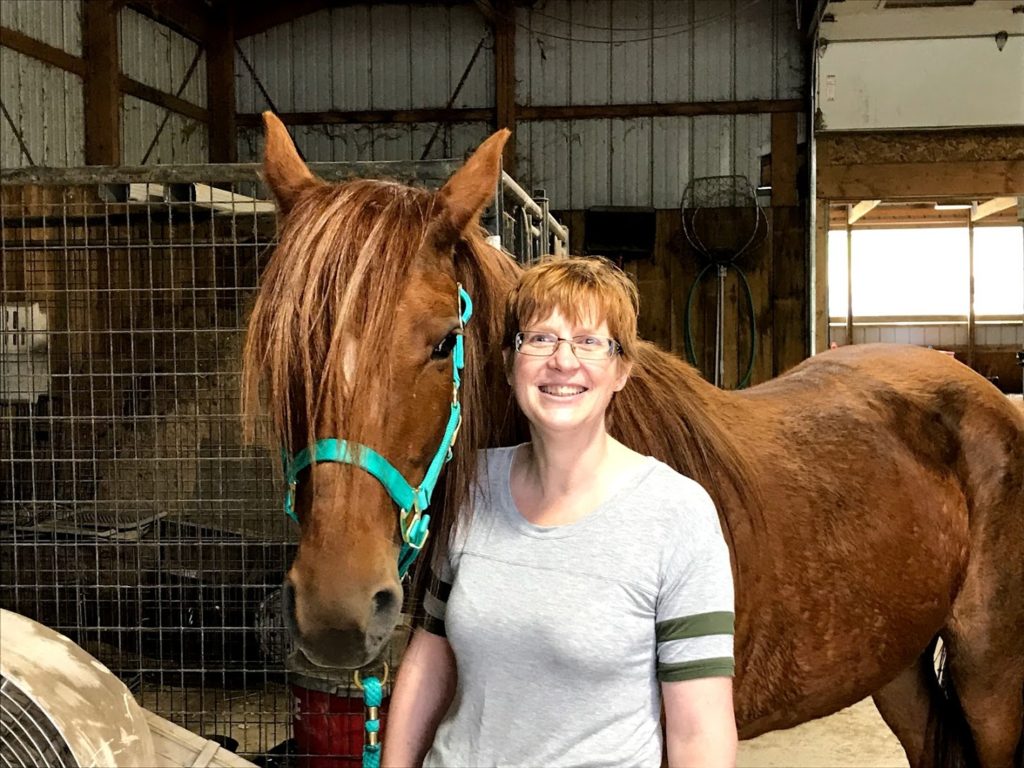
Barney Standing in the Barn

Easily one of the most expressive parts of the horse’s body is the ears. The ears are relatively easy to read.

If a horse’s ears are up and slightly forward, they’re active, interested, and possibly a bit excitable.

If their ears are relaxed and off to the side, they’re comfortable and possibly sleepy.

If a horse’s ears are pinned flat back to the head, the horse is scared or angry.

Head and Neck

Any time you want to know what a horse is thinking, pay attention to the head and neck.

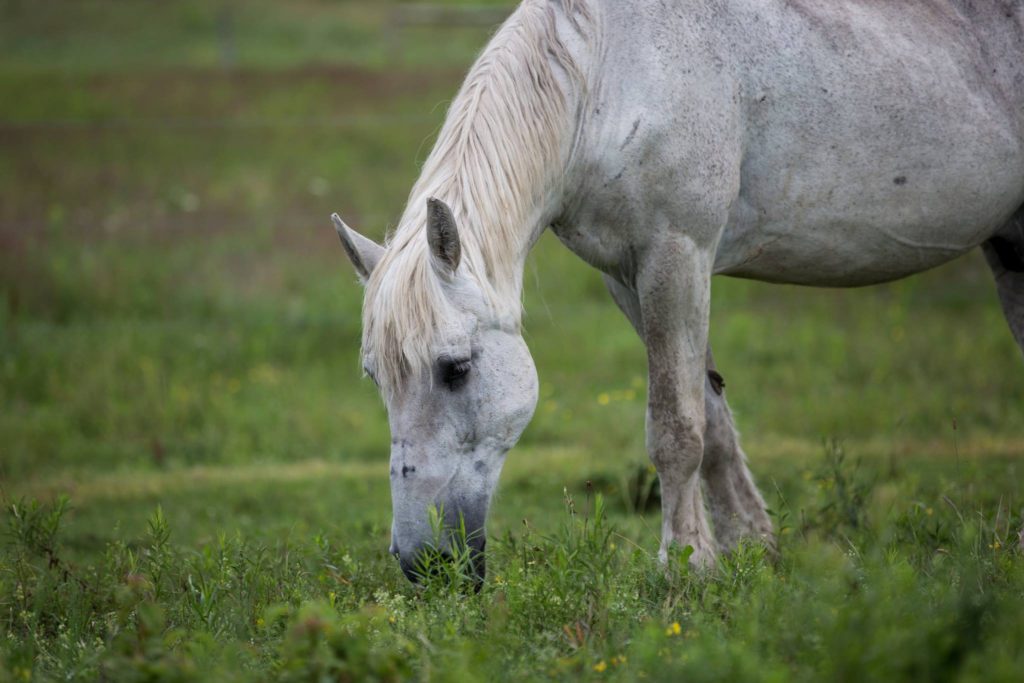
If a horse’s head is lowered and hanging in front of their chest, they’re very relaxed and usually sleeping.

However, if a horse’s head is raised high in the air with their chin lifted, they’re alert and on the lookout for something in their environment.

A horse that is bobbing and weaving their head is usually agitated. It could be a clue that they are going to bite or be aggressive.
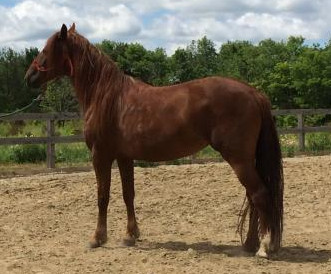
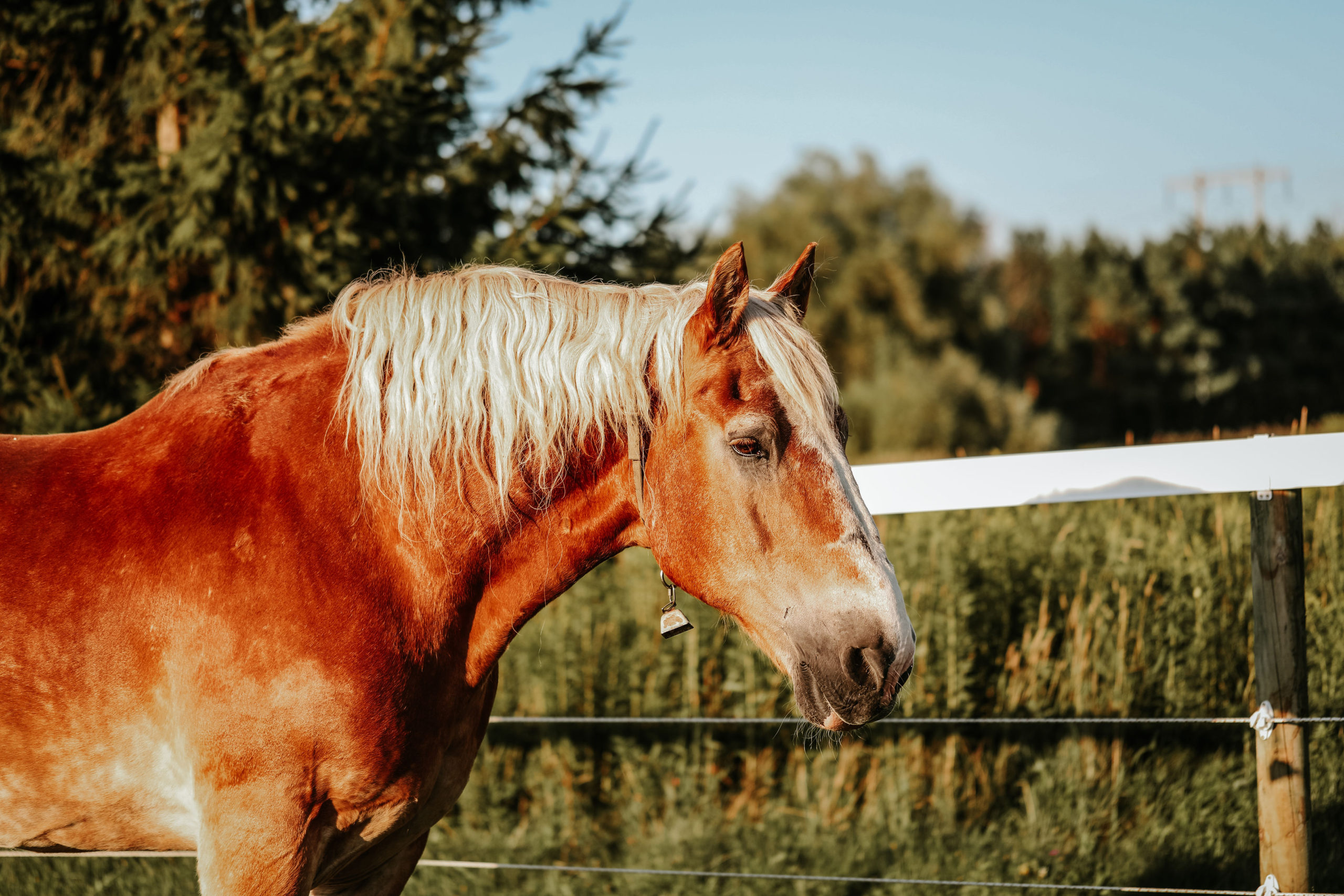
Maggie with her head raised.

Forelegs

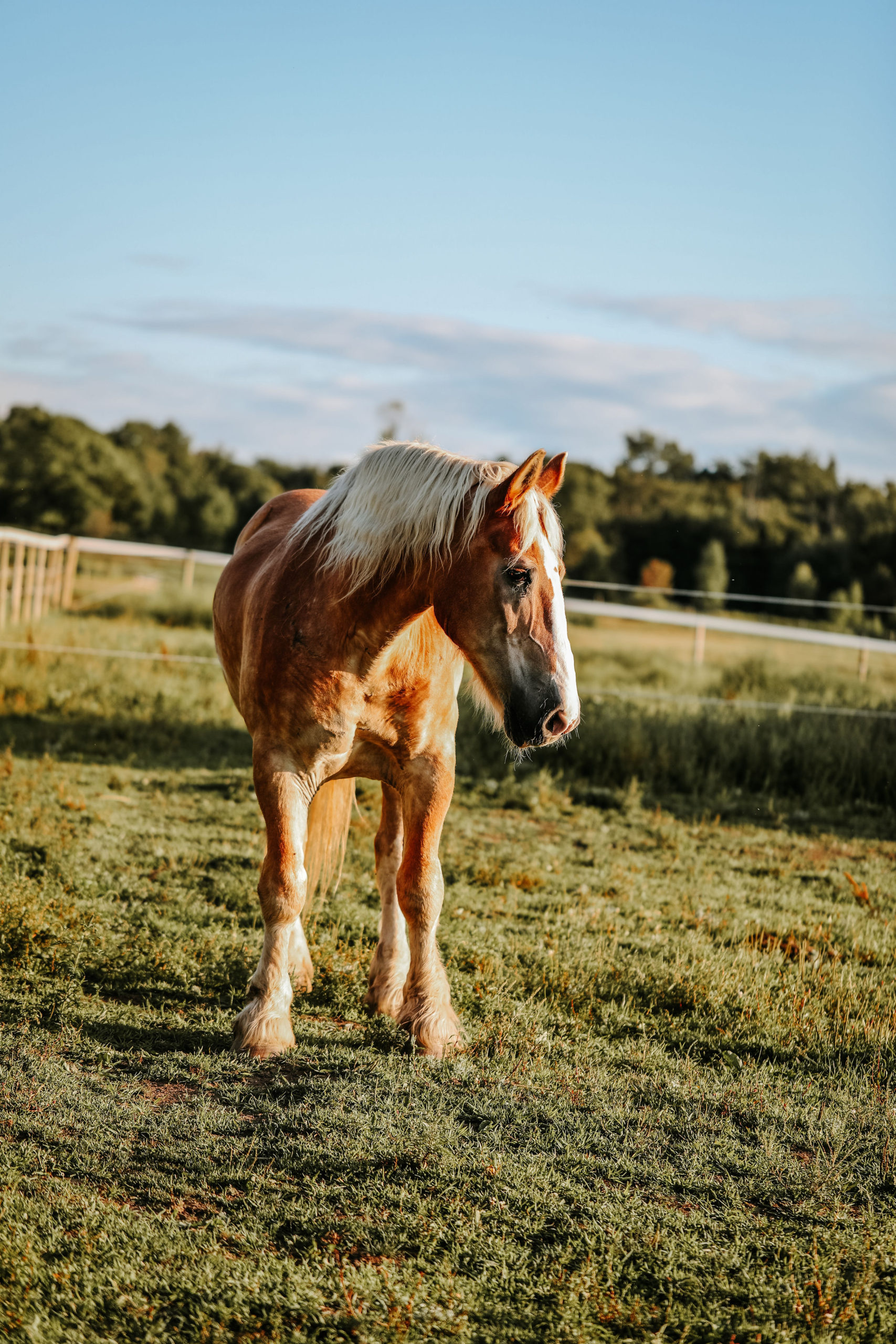
Barney standing with his legs evenly underneath him.

Horses usually stand with their legs evenly underneath them. If they aren’t, the horse is telling you something.

For example, if a horse’s front legs are spread wide apart, it could be a sign that the horse is nervous and is ready to bolt.

A horse that is pawing at the ground usually is getting impatient and wants to get moving.

If a horse is stomping, however, their getting irritated and could start striking out.

Hind Legs

The easiest way to know when a horse is relaxed is when one of their back legs is cocked and slightly off the ground.

However, if a horse only has weight on three legs and the fourth is not bearing any weight but is not cocked, be careful. The horse may be thinking about kicking.
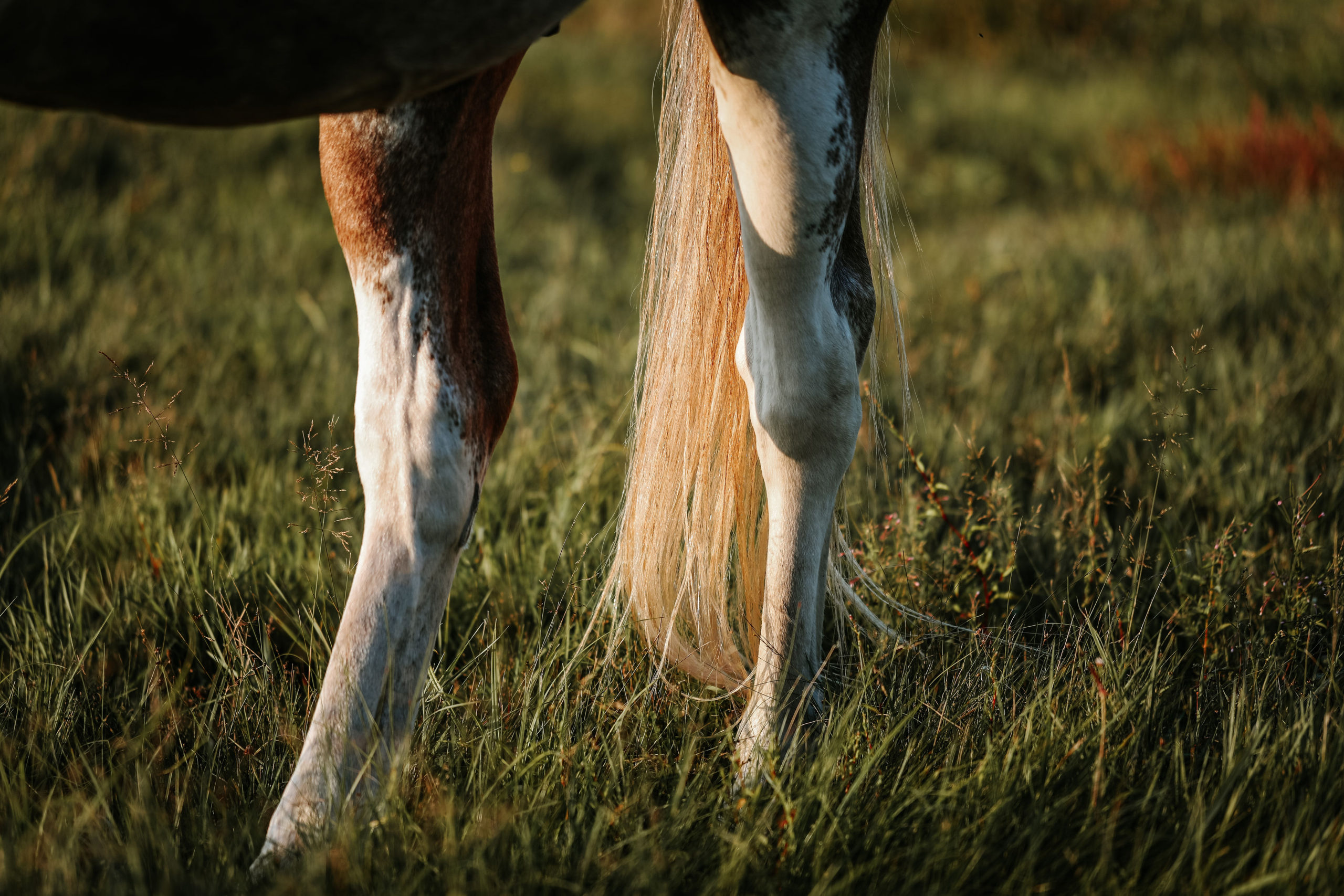
Roanie's hind legs slightly apart.

Eyes

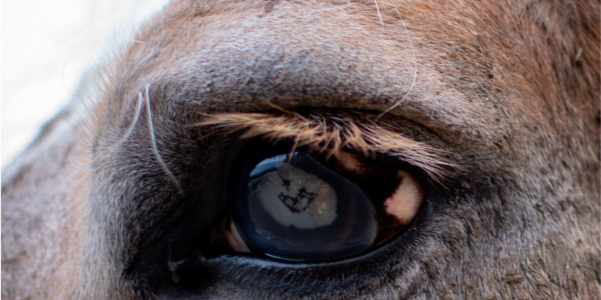
Jesse with his eyes half shut.

The most obvious warning sign to watch out for is if you can see the whites of the horse’s eyes. This means that the horse is upset, scared, or angry.

A horse that’s nervous and is considering bolting, will dart their eyes back and forth quickly.

If the horse’s eyelids are drooping and their eyes are half-closed, they’re extremely content. You see this a lot after they have eaten.

Tail

Most of the time a horse’s tail is still or lazily moving to keep flies off of them. However, if the horse is rapidly moving their tail from side to side, that is a sign that they’re angry and might kick.

If a horse is incredibly nervous or unsure about something in the environment, their tail will clamp tightly against their body.
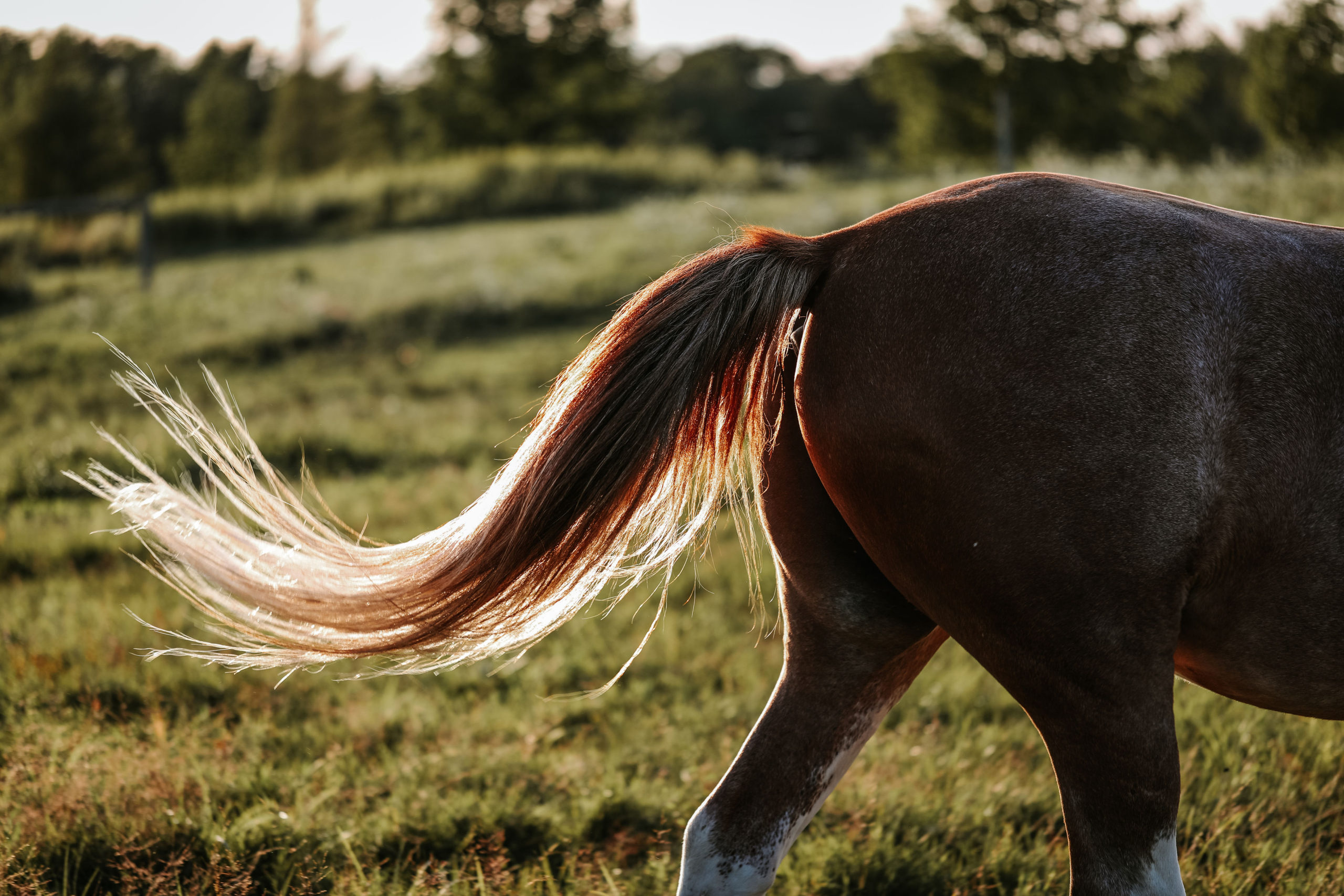
Roanie with his tail swishing.

Don’t miss out on the latest news from the ranch! Sign up for our monthly newsletter today.
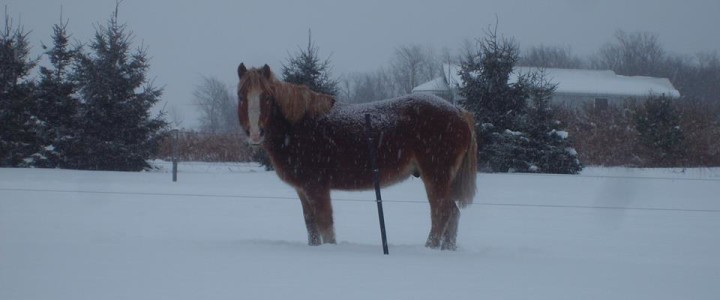
Common Winter Horse Care Myths

Common Winter Horse Care Myths

There are quite a few winter horse care myths that many still believe to be true, despite the fact that science has debunked them. While the popularity of these myths might suggest that there must be an element of truth to them, some involve practices that can actually harm your horse’s well-being, so it is important to know myth from fact.

Myth: Close up the barn tight during the winter.

Fact: Horses can develop breathing issues without ventilation.

When kept in a stall, ammonia fumes from urine quickly rise no matter how often you clean the still. This chemical is extremely harsh on your horse’s lungs and can cause serious issues.

Secondly, barns are inherently dusty. Because the doors and windows shut, dust particles are more likely to be inhaled. The result is coughing, wheezing, and other respiratory issues.

To avoid winter respiratory issues, keep those windows open to maintain ventilation.

Myth: Your horse will get all the water he needs from the snow in the pasture.

Fact: Most domestic horses will not instinctively consume enough snow to keep hydrated. Without the proper amount of water intake, a horse is at greater risk of colic, severe abdominal pain that can lead to death. All horses should have adequate amounts of clean water during all seasons of the year for essential health and welfare.

Myth: If I am cold, my horse must be cold.

Fact: Healthy horses that are at a good weight and have grown a winter coat are actually most comfortable in temperatures that people find cool to downright freezing. Given adequate feed and access to shelter, horses can actually do fine in temperatures down to -40° Fahrenheit.

Over blanketing a healthy horse can actually be detrimental. Fluctuations in temperature may lead to overheating, and blanketing can promote skin problems ranging from rubbing to fungal infections. Very wet, windy weather is the most likely to cause unblanketed horses to feel the cold. If they have a good place to take shelter, most will endure even this with no issues.

Don’t miss out on the latest news from the ranch! Sign up for our monthly newsletter today.
Forever Foundation Equine Excellence Award Finalist

Forever Foundation Equine Excellence Award Finalist
Forever Foundation 2020 Badge

For the second year in a row, Roanchar Ranch Draft Horse Rescue participated in the Forever Foundation. The program combines video-based learning with hands-on training in an effort to help make rescue horses more adoptable.

The program also includes (3) 60-day challenges where participants put theory into practice to achieve weekly tasks and win prizes. Roanchar Ranch Draft Horse Rescue’s own Abe won for trailer loading and received a new 60-foot lead rope.

At the end of the year, all of the rescues that completed at least one 60-day challenge and attended one webinar applied for the Equine Excellence Award.

The application included explaining how the Forever Foundation helped Roanchar Ranch Draft Horse Rescue in terms of the horses, training, volunteers, and day-to-day operations. In addition, a video needed to be submitted highlighting the horses at the rescue and how the foundation helped them.

Roanchar Ranch Draft Horse Rescue is proud to announce that we were a top ten finalist and won a $250 clinic travel stipend for 2021.

“Roanchar Ranch has successfully incorporated the Forever Foundation into their operations and is a role model for other organizations. Their efforts not only make a difference in the lives of equines in Wyoming County, but they’re also helping thousands of horses across the country through their involvement in the program,” says Cindy Gendron of the Humane Society of the United States.

Don’t miss out on the latest news from the ranch! Sign up for our monthly newsletter today.

What’s in a Name

What’s in a Name

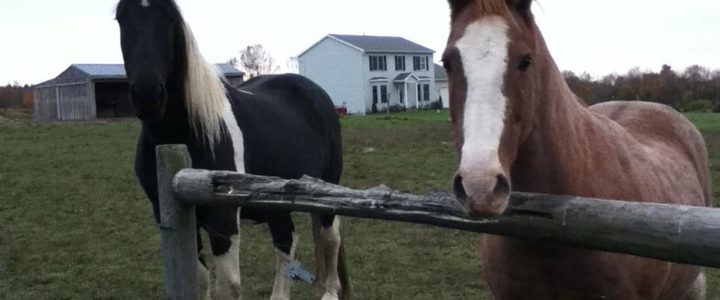
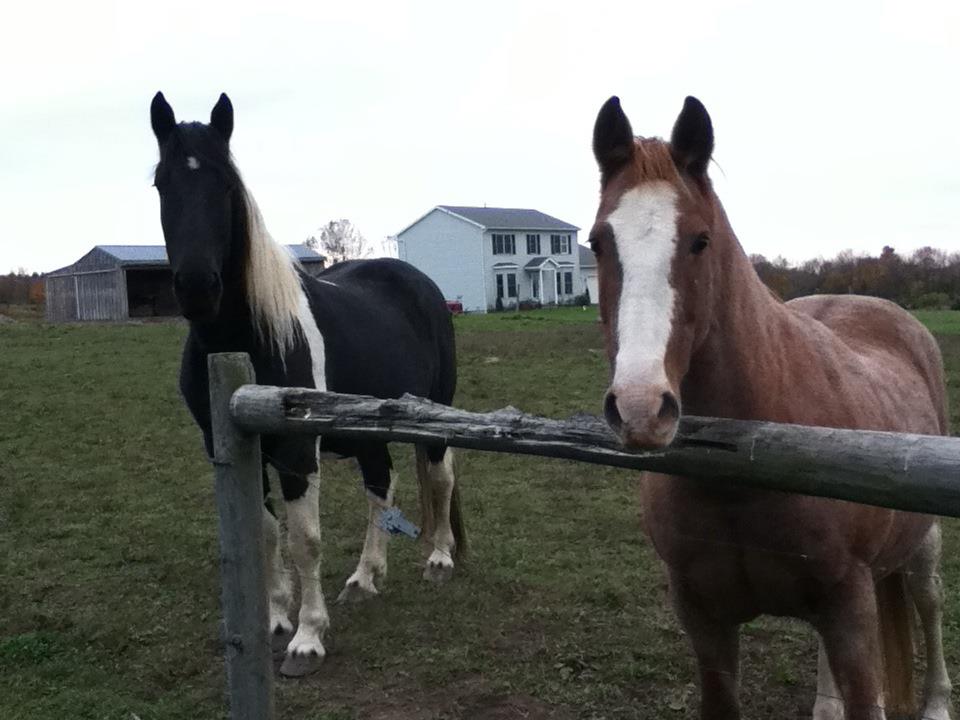
“Where did the name Roanchar Ranch come from?” is the number one question that we get at the rescue.

Charlie and Roanie at the fence line
Charlie on the left and Roanie on the right

Roanchar is a combination of our founder’s two personal horses’ names; Roanie, a Strawberry Roan Tennessee Walking Horse, and Charlie, a Percheron/Tennessee Walking Horse cross. They are also the driving force behind the rescue.

Charlie and Roanie were the first horses that our founder owned. Roanie was a seasoned trail horse and Charlie was a 5 month-old colt who was a blank slate.

Owning a draft horse was a dream of our founder. She had fallen in love with Charlie’s mom Denea, a pure-breed black Percheron when she rode her on a trail ride while she was pregnant with Charlie. Denea was gentle, confident, and loving, all the traits that a gentle giant is known for.

A few weeks after riding Denea, our founder was on another trail ride with Denea’s owner, checking pastures for foals. In the middle of one of the pastures lay Charlie. He was no more than 12 hours old and a site to behold. He was glistening white and black and all legs. Our founder fell in love immediately

To prepare for Charlie’s arrival, our founder did research on how to care for a foal, and specifically a draft foal. It was then that she came upon the plight of unwanted draft horses.

Draft horses, who had worked their entire lives, were thrown away when they could no longer work. She knew that she wanted to make a difference in their lives and Roanchar Ranch Draft Horse Rescue was born.

Don’t miss out on the latest news from the ranch! Sign up for our monthly newsletter today.
No hoof, no horse

No hoof, no horse

If you have been around horses long enough, you have heard the saying “No hoof, no horse.” A horse’s hooves provide the foundation for a healthy partner. They need to bear weight, resist wear, absorb shock, and help with blood flow. A falter in any one of these areas can cause a horse to go lame.

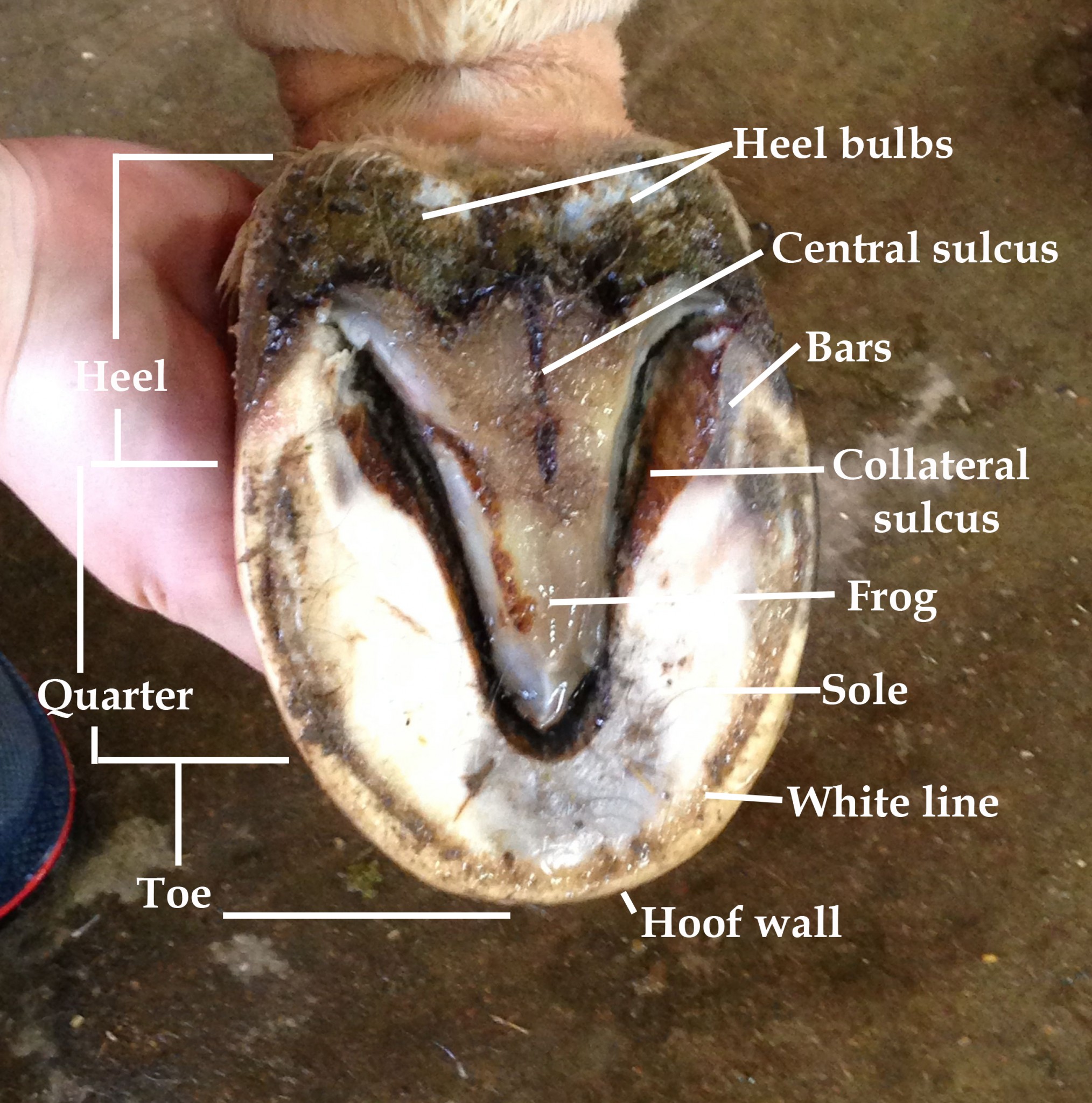
Structure of horse's hoof including hoof wall and frog location.

Common Hoof Issues

Thrush

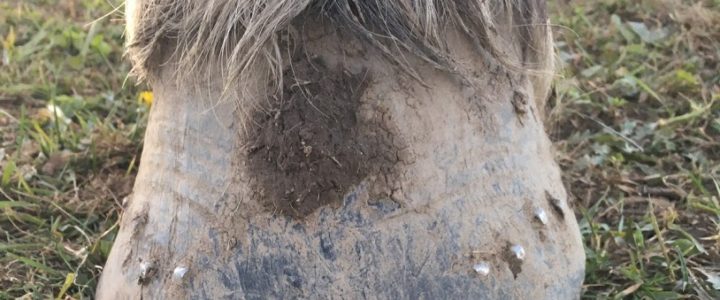
Thrush is a common infection of the frog of the hoof and is usually most evident in the grooves (sulci) on either side of the frog and in the central section. There are two main ways you’ll notice your horse may have thrush – sight and smell. Thrush causes black discharge to occur on and around the frog, and the discharge is accompanied by a strong, unpleasant odor. The hind feet are more often affected than the front feet and, occasionally, infection may result in a general swelling of the distal (lower) limb.

Thrush can be avoided by good stall management, and regular foot care and inspection. Clean, dry conditions and regular hoof trims avoid the development of long heel conformation and keep the frog healthy.

Quarter Crack

Quarter cracks are vertical cracks, located in the quarter of the hoof between the widest part of the foot and the heel. They can range in severity from full-thickness, penetrating cracks to “blind” cracks, which show a fault line and indicate weakness but are not opened or separated. Additionally, cracks may be irregular, with two cracks running side by side, and they can also penetrate the hoof wall at an angle.

Treatment of hoof cracks usually requires the services of an experienced farrier and/or veterinarian, not only for the preliminary treatment and stabilization, but also to help determine the reason for the hoof crack. They also can ensure that proper hoof balance is achieved through corrective and supportive shoeing.

If quarter cracks are caught early and have not penetrated the sensitive tissues within the hoof, the primary treatment will include proper trimming, thorough cleansing of the quarter crack, immobilization of the damaged area, and stabilization of the hoof wall. Sometimes, trimming the hoof properly and applying the correct shoe will solve the problem.

Hoof Bruise

The most common type of lameness is the hoof bruise. Causes of bruises can range from encounters with rocks, snow, or ice on the trail, to the continual pounding forces of a horse’s particular activity, such as a jumper whose front feet hit the ground hard. Horses can also bruise their feet when the surface they work on changes or is uneven.

Genetics and management also play a role in foot bruising. Some horses, like Thoroughbreds, have softer or thinner soles that are more prone to bruising. A flat-footed horse puts more pressure on his soles and bruises more easily. If a horse’s feet aren’t kept clean and dry, they also can become more susceptible to bruising.

Treatment includes cleaning the area to prevent infection and protecting it until the hoof has recovered. You can help prevent bruises with correct shoeing, protective boots, consistent footing, and overall good management.

Hoof Abscess

An abscess occurs when bacteria get trapped inside the hoof. Trauma, such as a hoof bruise, can develop into an abscess. Other common causes are changes in weather from dry to wet or wet to dry that can cause a hoof to crack and allow bacteria to enter or a weakening of the white line, where the hoof wall meets the sole.

Treatment may include drawing the infection out of the hoof with Epsom salt and bandaging the hoof so that it stays dry and clean. In addition, your veterinarian may prescribe medication to prevent pain and swelling.

Don’t miss out on the latest news from the ranch! Sign up for our monthly newsletter today.
Not for the Faint of Heart

Not for the Faint of Heart

The feeling starts as soon as you hang up the phone.

That feeling in the pit of your stomach that ignites a fight or flight response.

You do everything that you can to calm yourself down, but nothing works.

You soldier on because you have a job to do, but in the back of your mind, the feeling gnaws at you.

As you drive up to the stranger’s barn with your trailer in tow, a million scenarios are running through your mind.

You take one last calming breath before you start walking to meet your latest intake.

As you look into her soulful eyes, a warmth of calmness envelopes you, and the worry melts away.

She is ready. So are you.

As you drive back, the feelings return like an old friend.

Fear

Doubt

Worry

They consume you as you work through the daily hurdles of a new routine.

You wait for the harmony of a balanced herd to return.

When you finally can relax before the phone rings again.

Don’t miss out on the latest news from the ranch! Sign up for our monthly newsletter today.
Happily, Ever After

Happily, Ever After

1272! The number of days that Maggie waited for her forever home.

But the wait was well worth it once Teresa and Maggie found each other.

“Maggie is everything I was looking for.  I wanted a horse that was forward with personality and confidence, who wanted to work, learn and grow with me.  She checks all of those boxes, Maggie takes care of me and gives her all with every ride”, said Teresa Cain, Maggie’s adopter.

Our goal is to make sure that each adoption is a good fit for both the horse and the human.  Sometimes, you must be patient for that perfect match.

If you are looking for your next partner, take a look at our available horses or contact us at roancharranchrescue@outlook.com.

 Maggie finds her forever home with her adopter Teresa.

Don’t miss out on the latest news from the ranch! Sign up for our monthly newsletter today.
Saying Goodbye is Never Easy

Saying Goodbye is Never Easy

titan: one that stands out for greatness of achievement

Titan in pasture

Every horse that comes to the rescue is special, but Titan was so much more. He had an innate ability to reach out and touch the heart of everyone that he met. It didn’t matter if it was a fellow horse that needed reassurance, a child who had never been around a horse or a senior citizen who wanted to relive their youth. Titan knew how to make everyone feel at ease.

With his passing, a huge void has been left and everyone at the rescue feels it, especially Jesse. While Titan was Barney’s eyes, to Jesse, Titan was his strength. The two would spend hours together, standing side by side. While Jesse rested, Titan watched over him. Allowing Jesse to lean on him when Jesse’s leg was too sore to bear weight.

Titan at the Rural Outreach Center

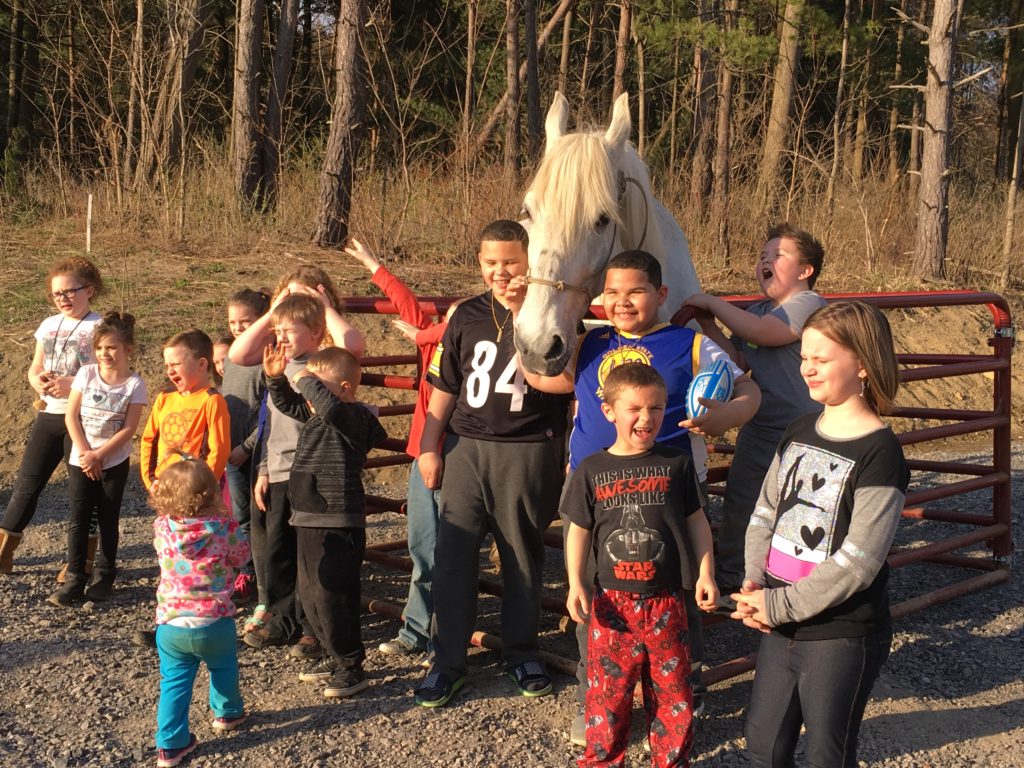
At the Healing Horse Summer Program, Titan was in his glory. Surrounded by children, Titan patiently stood while he was groomed and doted over. He regularly bowed his head so that the children could touch his muzzle or scratch him between his ears. His eyes glistened as he lapped up all the attention.

Titan’s larger role, however, was being the voice of the rescue. At every event that he attended, he owned the crowd. While he lured people in with his size, his story of perseverance is what kept them coming back. People could hardly believe that the picture they saw and the horse in front of them were one and the same. Titan opened everyone’s eyes to what a throw-away horse was truly capable of.

837 – The number of days that Titan lived at the rescue

Immeasurable – The number of lives that Titan touched

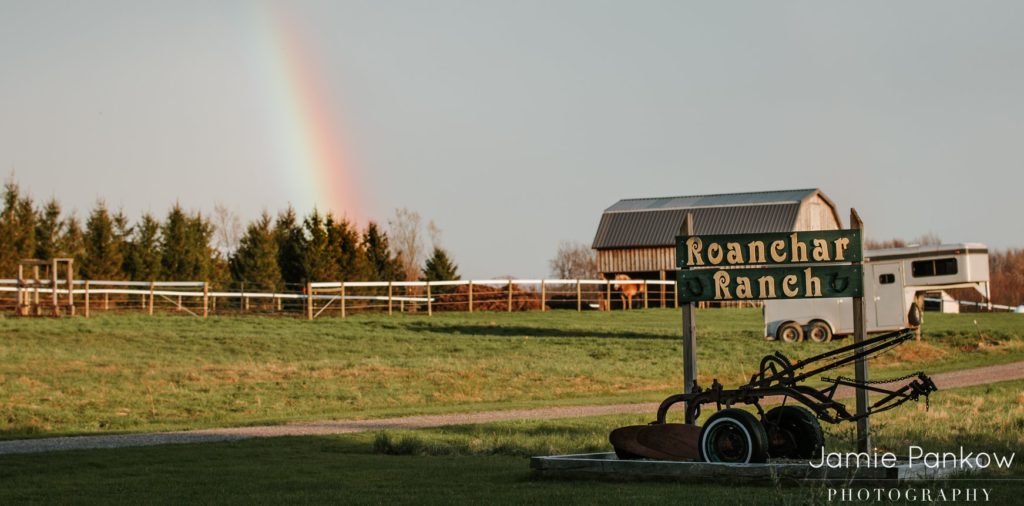
Rainbow appears after Titan's passing
A rainbow appeared over the rescue after Titan’s passing

Don’t miss out on the latest news from the ranch! Sign up for our monthly newsletter today.
Just When You Think…

Just When You Think…

It all started innocently enough. A simple conversation with Becky Roy, the founder of Draft Gratitude, and I. As usual, we talked about how our rescues were doing and our residents.  We both have horses with Chronic Progressive Lymphedema (CPL) and both are using the Hinez Compression Sleeve.  Soon the conversation turned to questions about dealing with a blind horse.

We both heard the general recommendations for dealing with blind horses, but we both knew that dealing with a blind draft horse would be a whole different ballgame.  We both had more questions than answers and the conversation waned.

Fast forward a few weeks when Becky and I were talking again.  She said that she knew about a blind horse in my area that needed help and would I be willing to talk to her contact.  I said that I would, but that I really wanted to wait until the weather broke to take on another rescue.

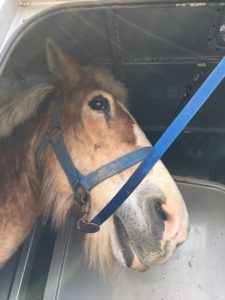
Barney on the trailer from the Finger Lakes RegionFamous last words.  We drove to the Finger Lakes Region a few weeks later and picked up Barney.
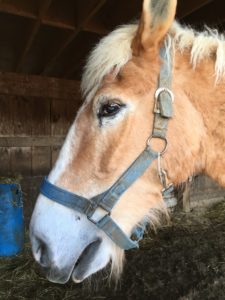
Barney’s story is no different than many other draft horses that are no longer able to work, with one exception.  Barney is almost completely blind.  For a draft horse that is set to go to a livestock auction, being blind is a death sentence.  The only people most likely to purchase a horse like Barney are the kill buyers.  They know that they can purchase the horse for next to nothing and make a nice profit when they sell the horse to the slaughterhouse for meat.

To prepare for Barney’s arrival, we put markers on the fence so that he could hear them waving in the wind and we put Titan in the same pasture.  What do they say about the best-laid plans?

After being on the same farm for 15 years, Barney was confused and scared.  He was so disoriented that he shocked himself on the fence as he walked around in circles.  He did it so many times that he made himself dizzy.  I quickly ran out to grab him and get him back to the barn.

Plan B

It was obvious from being around Barney that he is able to see movement of some sort.  The movement just had to be very obvious.  So I decided to attach plastic snow fence to our electric fence.  That way he would touch the plastic before the electric fence and he could see the snow fence flapping in the wind. Once again, what do they say about the best-laid plans?
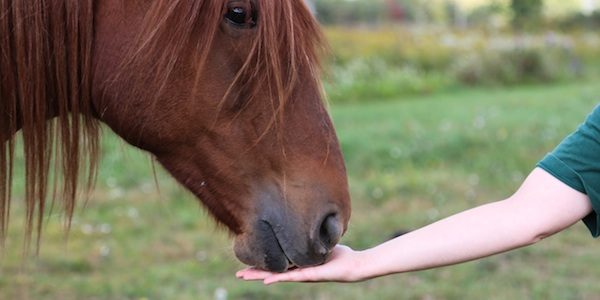
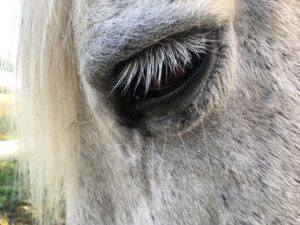
Mother Nature was definitely laughing as she watched me put the snow fence up.

My area is notorious for being windy.  Hence why a wind farm was erected in my town.  It took one day for the wind to start breaking zip ties.  While the snow fence was a good temporary solution, it was not going to work permanently.

Plan C

To make Barney’s pasture as safe as possible for him, it is obvious that he needs different fencing.  So between myself and Kyle from J&K Agriculture, Inc., we came up with a plan to install a rail and rope fencing system.  The top line will be a rail that Barney will be able to touch without getting shocked.  If he happens to test the rail, the two remaining rope lines will be electrified to stop him from walking through it.

We are looking to install the new fence this summer, but we need your help.  The fence will cost us $6660.  Please help by donating to Barney’s Fence Fund.

Healing Horses

Healing Horses

TitanSummer Program Aims at Helping WNY Youth

If you have been around horses for any length of time, you know the healing power they have.  The light that they can shine is why we are starting the Healing Horses Summer Program.  The monthly program will help at-risk, under served youth in Western New York gain confidence, build self-esteem, learn responsibility, trust, patience and respect all while learning about how to care for draft horses, the gentle giants.

While other programs in the area bring together horses and children with special needs, our Healing Horses is unique in that the draft horses that the children will be working with may have a story similar to theirs. Many of the equines at our facility have had to overcome physical and emotional obstacles such as medical aliments, neglect and abuse. We believe that the common life experiences will forge a bond that will help the children overcome the obstacles in their lives.

The program will take place monthly from May – September and consist of 45 minutes of interactive learning, 45 minutes hands-on experience with the draft horses, 30 minutes of discussion followed by lunch.

Topics will be the following:

  • May – Introduction to draft horses (history, types and current state of)
  • June – Hoof health (why it is important, parts of the hoof and trimming)
  • July – Horse Health (how to take temperature, listen to heart)
  • August -Training Techniques (natural horsemanship)
  • September -Driving (harness, carts, wagons)

Help A Child Attend Healing Horses

By donating $9.72, you can send a child to one session of the Healing Horses program.  Donate today and change the life of a child.